marine ecology consulting

Fiji’s leading company for Coastal and Marine Ecology Assessments

Marine Stingers in Fiji

A quick guide to Marine Stingers in Fiji and First Aid for those Marine Stings…

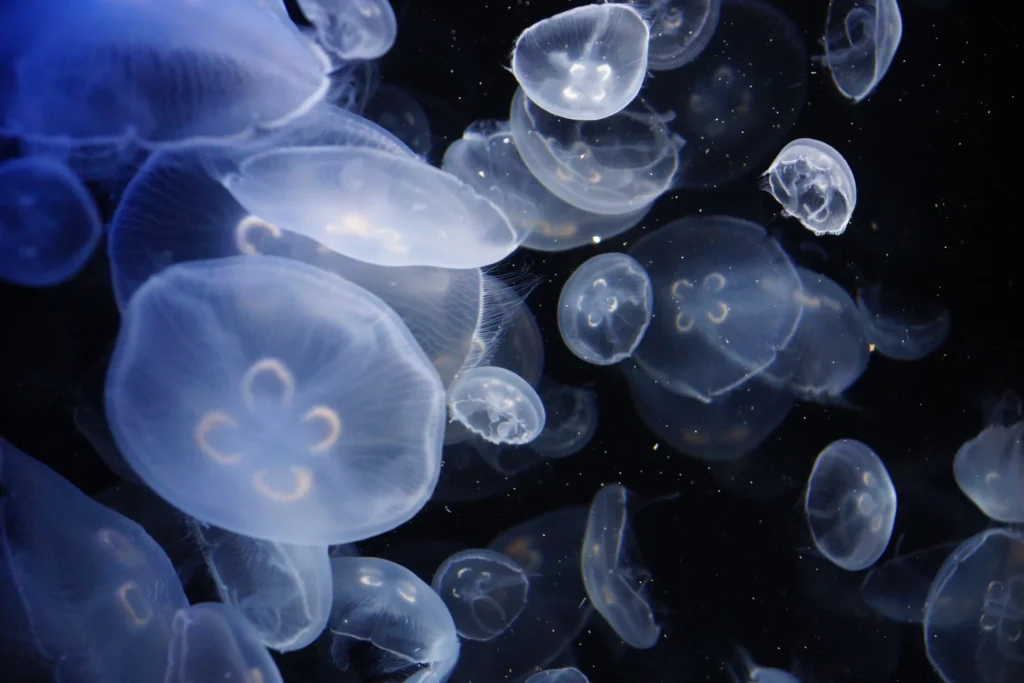
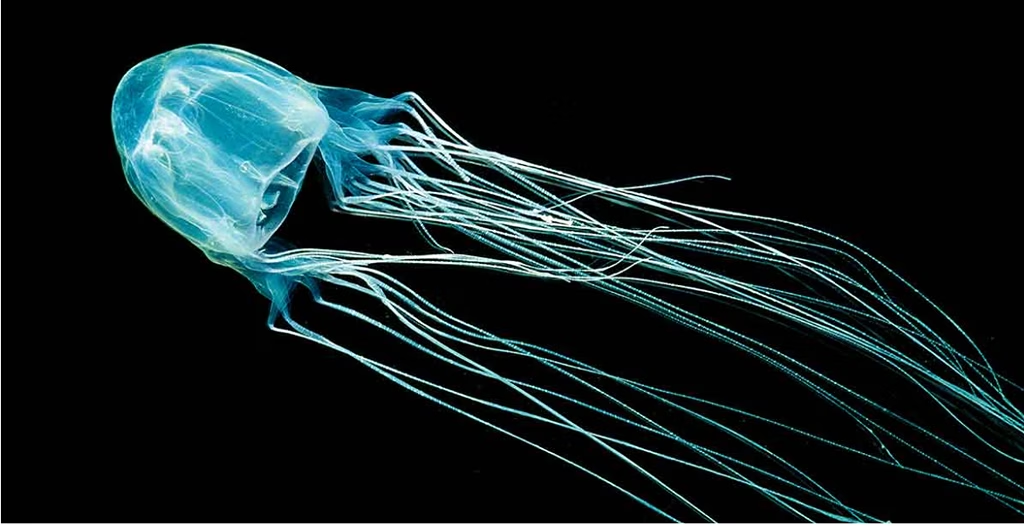
True jellyfish have an open bell or hood – the main body shaped like an umbrella, with lots of tentacles or arms coming out of the bottom, where the handle of the umbrella would be.

While all jellyfish can sting, most are not powerful enough to hurt a human for more than 15 – 20 minutes.

The stings are only in the tentacles, not the bell (or body), which are quite short, so some larger jellyfish can safely be pushed out of the way as long as you only touch the bell.

Comb jellies and salps are shaped more like a closed bag or balloon, with no tentacles or sometimes with only two, they DO NOT HAVE STINGS and are totally harmless.

A quick guide to Marine Stingers in Fiji and First Aid for those Marine Stings… Read More »
Hazardous Marine Life Medical Reference Book - DAN-Dive-Medical-Reference-2026

Hazardous Marine Life Medical Reference Book – Diver Alert Network

The DAN (Divers Alert Network) Hazardous Marine Life Medical Reference Book is highly regarded as a practical, comprehensive guide for identifying and treating injuries from marine life.

Edited by experts like Dr. Paul Auerbach, it offers concise, actionable first aid and medical information designed to be used by divers, dive professionals, and medical personnel to manage stings, bites, and punctures. 

This book is a highly recommended addition to any diver’s library, particularly those exploring tropical, high-diversity environments. 

Hazardous Marine Life Medical Reference Book – Diver Alert Network Read More »

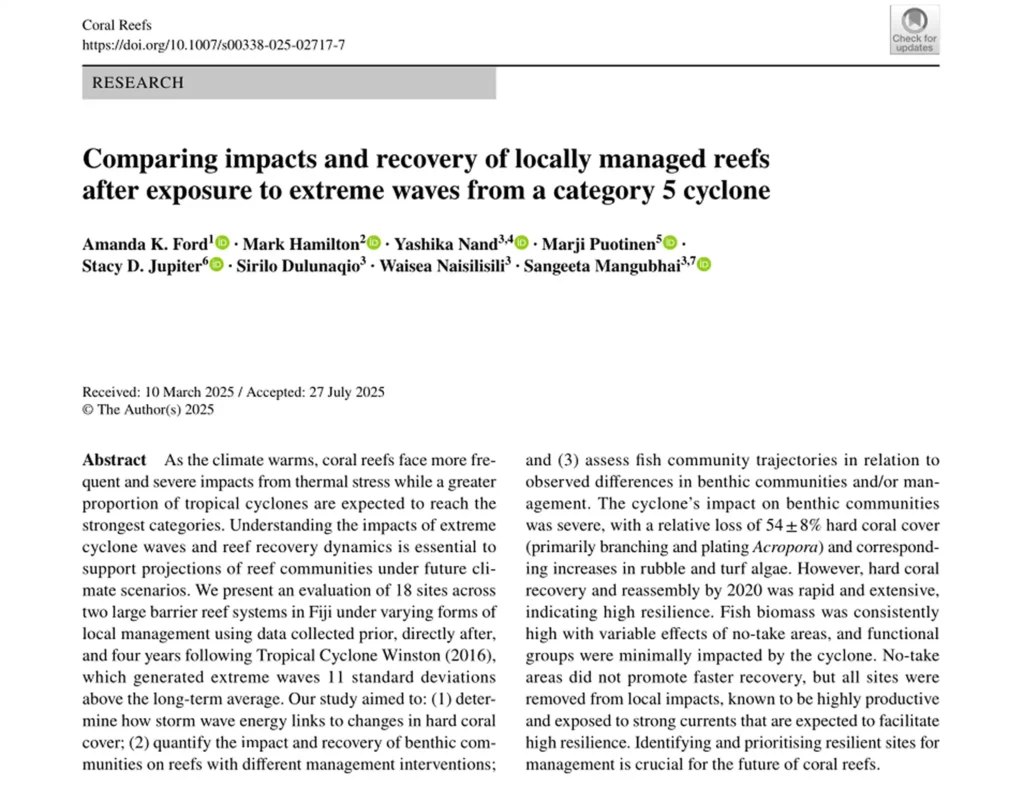
Comparing impacts and recovery of locally managed reefs after exposure to extreme waves from a category 5 cyclone

Comparing impacts and recovery of locally managed reefs after exposure to extreme waves from a category 5 cyclone

Sharing some good news and hope from Fiji about our coral reefs. 

A new study published in the international journal Coral Reefs shows that coral reefs decimated by a severe Category 5 tropical cyclone in 2016 showed surprising resilience and ability for corals to recover in Fiji.

Our study found Cyclone Winston wiped out more than half of hard coral cover in some areas, but reefs rebounded within 4 years, with coral community composition reassembled to near pre-cyclone levels by 2020, supported by high fish biomass.

Our research adds to a growing body of evidence showing high integrity climate-resilient coral reefs around the world (and especially in Fiji!) can withstand and recover from extreme events – offering hope for the future of coral reefs in a warming climate.

Comparing impacts and recovery of locally managed reefs after exposure to extreme waves from a category 5 cyclone Read More »

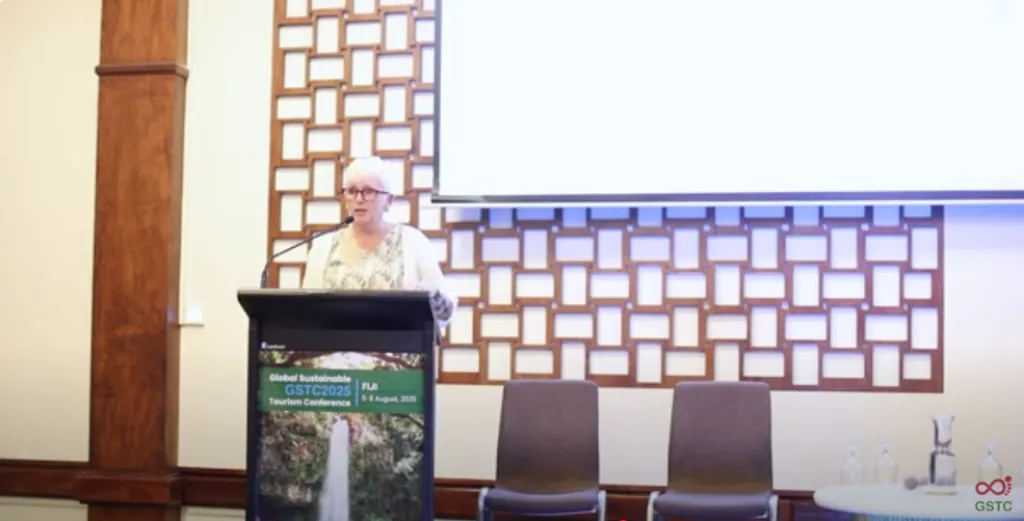
Helen Sykes presents at the GSTC2025 Conference in Fiji | Reef Protection, Coral Restoration, and Responsible Diving

Helen Sykes presents at the GSTC2025 Conference in Fiji | Reef Protection, Coral Restoration, and Responsible Diving

Helen Sykes presents at the GSTC2025 Conference in Fiji | Reef Protection, Coral Restoration, and Responsible Diving Read More »

Fiji National Hub for Coral Reef Conservation

Fiji National Hub for Coral Reef Conservation connects community with government agencies to protect reefs

We’ve just kicked off the GEF Coral Reef Rescue Project: Resilient Coral Reefs, Resilient Communities, and launched the Fiji National Hub for Coral Reef Conservation!

Fiji National Hub for Coral Reef Conservation connects community with government agencies to protect reefs Read More »

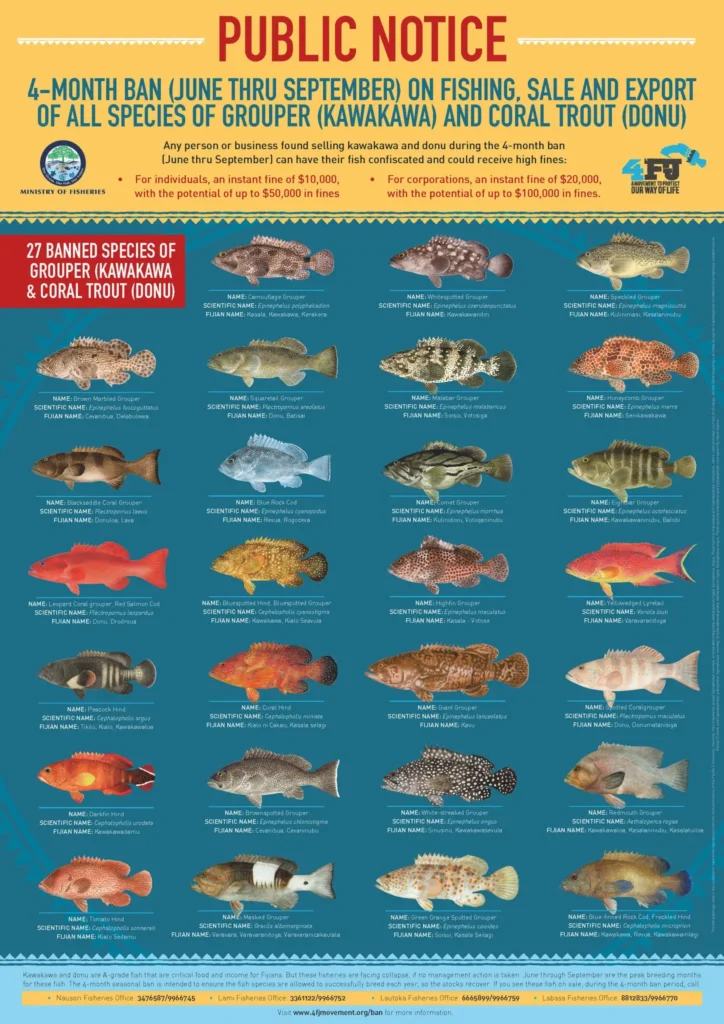
Fiji-Ministry-of-Fisheries-4-month-donu-kawakawa-ban

Seasonal Ban on Kawakawa and Donu: Protecting Fiji’s Vital Marine Resources – June – September EVERY YEAR

Suva, Fiji – June 3, 2024: A seasonal ban by Fiji’s Ministry of Fisheries on fishing for Kawakawa and Donu, two highly valued grouper species, has commenced on June 1st and will run until September 30th.

This initiative is part of a critical management approach aimed at safeguarding these species during their peak breeding season to prevent overfishing and ensure the sustainability of Fiji’s marine ecosystem.

Seasonal Ban on Kawakawa and Donu: Protecting Fiji’s Vital Marine Resources – June – September EVERY YEAR Read More »

exciting new fish and marine life guides

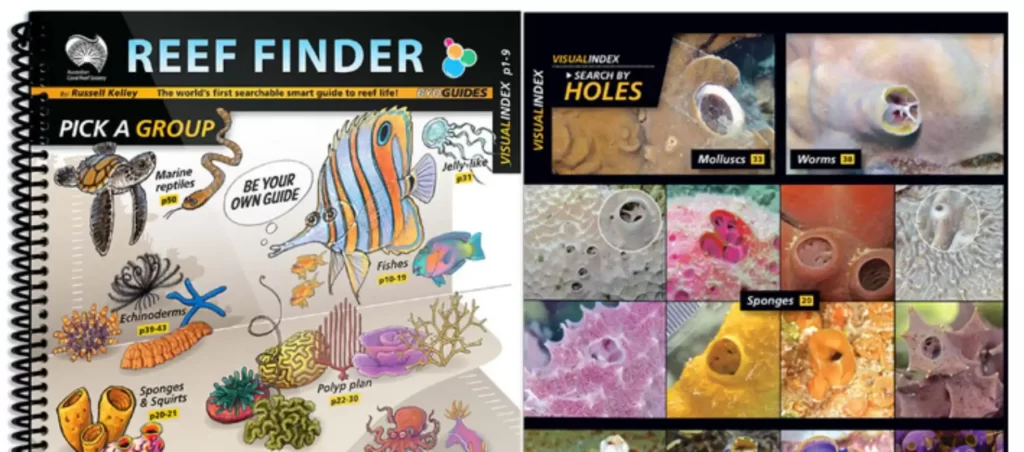
Some exciting new fish and marine life guides have been recently published

Some exciting new fish and marine life guides have been recently published, which will be useful for dive and snorkel operators, students and science professionals alike.

These can be ordered directly from the publishers on-line, printed to order, details and prices below. If you prefer to buy in Fiji, contact Helen@marineecologyfiji, as we do hold a few extras here.

Some exciting new fish and marine life guides have been recently published Read More »

Fiji Department of Environment -Schedule of Fees – April 2023

Here are the current, April 2023, Schedule of Fees for the Fiji Department of Environment.

This document outlines the various charges and costs associated with the services provided by the department. It provides a clear and transparent breakdown of the fees for each service, ensuring that all stakeholders completely understand the costs involved.

Fiji Department of Environment -Schedule of Fees – April 2023 Read More »

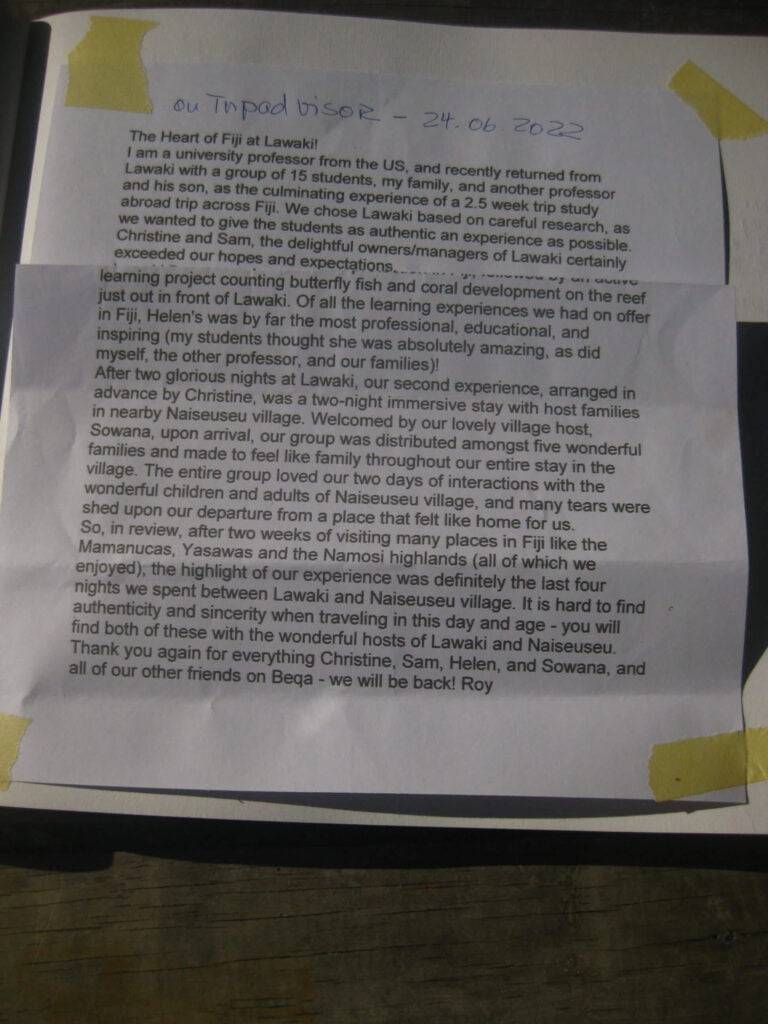
Of all the learning experiences we had on offer in Fiji, Helen’s was by far the most professional, educational, and inspiring

I am a university professor from the US, and recently returned from Lawaki with a group of 15 students, my family, and another professor and his son, as the culminating experience of a 2.5 week trip study abroad trip across Fiji.

Of all the learning experiences we had on offer in Fiji, Helen’s was by far the most professional, educational, and inspiring Read More »

Scroll to Top